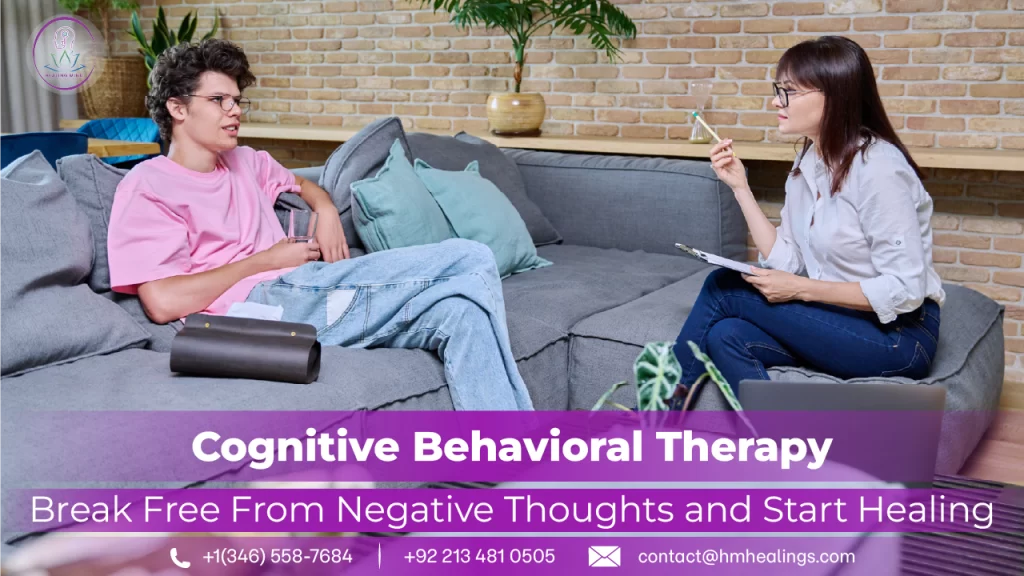
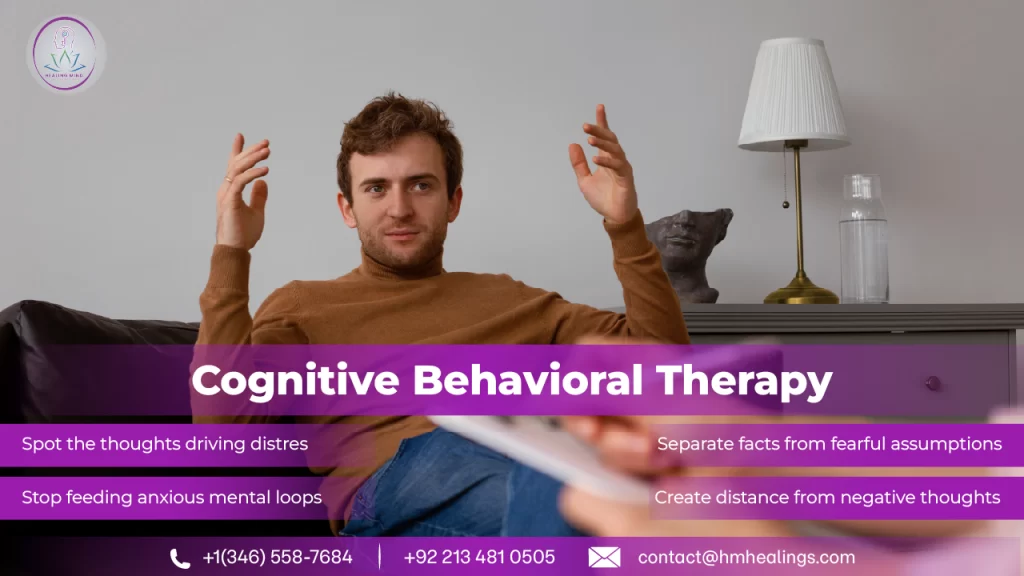
Cognitive Behavioral Therapy: Break Free From Negative Thoughts and Start Healing

Cognitive Behavioral Therapy: Break Free From Negative Thoughts and Start Healing

Share: 

Negative thoughts can feel impossible to escape, especially during stressful days. Many people struggle with racing thoughts, self-doubt, and constant worry that never seems to fade. Cognitive behavioral therapy offers a proven way to break this exhausting cycle. 

This approach helps you notice unhelpful thinking patterns before they take over your entire day. Instead of feeling stuck, you learn practical tools to respond differently to tough moments. Small shifts in thinking can lead to real, lasting change over time. 

You don’t have to carry this weight alone anymore. With the right guidance and support, healing truly becomes possible, one thought at a time.

What Is Cognitive Behavioral Therapy?

Every person carries a mix of biology, personal history, and daily surroundings that shapes how they think. This mix reflects what experts call the biopsychosocial model, and it explains why two people react so differently to the same situation. 

As a form of psychotherapy, this method differs from general talk therapy in that it uses clear, defined goals. Your thoughts, feelings, and behaviors constantly influence one another, forming a loop that can help or hurt you. Once you notice how your inner self-talk feeds that loop, changing direction becomes far easier. 

This mind-body connection lies at the core of cognitive behavioral therapy, which helps you spot unhelpful patterns early. Sessions build on each other through structured therapy, so progress feels measurable rather than vague or uncertain.

How CBT Works

Real change happens through practical exercises, not just conversation. Therapists guide clients through specific, repeatable methods designed to interrupt harmful thinking and build lasting coping skills. Each technique targets a different part of the thought-behavior cycle, working steadily toward noticeable improvement.

Common Techniques Used in CBT

  • Cognitive restructuring challenges automatic thoughts and cognitive distortions fueling constant worry.
  • Behavioral activation encourages small, meaningful actions that rebuild motivation and energy.
  • Exposure therapy gradually introduces feared situations to reduce avoidance over time.
  • Mindfulness practice teaches you to observe thoughts without judgment or panic.
  • Homework assignments reinforce new skills between sessions through simple, daily practice.

What Can CBT Treat?

Countless people turn to this method for very different reasons. Some seek CBT therapy for anxiety after months of racing thoughts and constant dread. Others pursue CBT therapy for depression when sadness starts affecting daily routines and relationships. 

Beyond diagnosed conditions, many readers simply want CBT for negative thinking that keeps replaying old mistakes or fears. Work deadlines, family pressure, and life transitions also drive people toward CBT for stress management, since these tools apply well beyond clinical settings. 

Clinicians additionally use this approach for PTSD, helping survivors process traumatic memories safely. Individuals with OCD benefit too, learning to resist compulsive rituals through gradual practice. Whatever brought you here, your struggle is valid, and support exists specifically for it. You don’t need a formal diagnosis to justify seeking guidance and relief.

Stop Carrying This Alone

Racing thoughts and constant worry don’t have to control your day. Connect with a specialist who helps you build real, lasting relief.

Online vs In-Person CBT: What's Right for You?

Choosing between video sessions and face-to-face meetings feels overwhelming at first. Both formats follow the same proven structure, just delivered differently. Understanding what each option offers helps you pick the setup that actually fits your schedule and comfort level.

Is Online CBT Effective?

  • Online cognitive behavioral therapy delivers the same core techniques through secure video calls.
  • Sessions typically run 50 to 60 minutes and are scheduled weekly or biweekly around your calendar.
  • Most treatment plans span 8 to 16 sessions, depending on individual progress and goals.
  • Virtual formats remove commute time, making consistent attendance realistically easier for busy people.

Benefits and Limitations of CBT

Weighing pros and cons helps set realistic expectations before starting. Among the clearest benefits of cognitive behavioral therapy are its structured format and measurable, skill-based progress you keep long after treatment ends. 

It also pairs well alongside medication for people managing more severe symptoms. However, results rarely appear overnight; consistent practice between sessions matters just as much as the sessions themselves. Finding a therapist who fits your personality sometimes takes a session or two, and that’s completely normal. 

This method also isn’t designed to replace urgent crisis care. If you’re experiencing thoughts of self-harm, please contact the 988 Suicide and Crisis Lifeline immediately for confidential, around-the-clock support.

Cognitive Behavioral Therapy: Break the Thought Spiral

Why Choose HM Healings for Your Mental Wellness Journey

Healing works best with layered support, not a single solution. Alongside licensed cognitive behavioral therapy, many clients across the USA incorporate gentle, evidence-informed practices into their routines. 

HM Healings brings a calm, human touch to that process, meeting you exactly where you are right now. This combination helps thoughts feel lighter and days feel more manageable overall.

  • A caring team that listens first, without judgment or pressure.
  • Practical tools you can actually use between sessions, not just theory.
  • Ongoing encouragement as you build new, healthier thinking habits.

Begin Your Healing Today

You have learned how thoughts shape your days; now experience real, guided support. HM Healings is ready to help you feel steadier, starting now.

Conclusion

Cognitive behavioral therapy shows that changing your thinking truly can change your life. Small, consistent shifts turn overwhelming thoughts into manageable ones over time. 

Healing isn’t instant, but genuine progress happens with the right tools and support. You deserve a calmer mind and steadier days ahead. Every step forward, however small, counts as real, lasting change.

Frequently Asked Questions

Does health insurance cover CBT in the USA?

Most insurance plans cover CBT with in-network providers, though a formal diagnosis may be required. Always confirm co-pays, deductibles, and session limits directly with your insurer.

How do I find a qualified CBT therapist in the USA?

Look for a licensed psychologist or counselor trained in CBT, verify credentials through your state licensing board, or ask your primary care provider for a referral.

Can I practice CBT techniques on my own without a therapist?

Self-help CBT resources and workbooks can support mild symptoms, but working with a licensed therapist offers personalized guidance for bigger, longer-lasting change.

What age groups can benefit from cognitive behavioral therapy?

CBT works well across nearly every age group, from young children with parental involvement to teenagers, adults, and older adults facing life transitions.

Are there any risks or side effects of trying CBT?

CBT carries minimal physical risk, though sessions can feel emotionally intense at first. A skilled therapist helps you process difficult feelings safely and gradually.

How to Manage Anxiety and Stress Naturally Before It Starts Controlling Your Life
Anxiety

How to Manage Anxiety and Stress Naturally Before It Starts Controlling Your Life

Your chest tightens before a meeting. Your mind won’t switch off at 2 a.m., replaying things you can’t fix tonight. If that sounds familiar, you’re not broken, and you’re not alone. Learning how to manage anxiety and stress naturally starts with understanding what your body is doing, not fighting against it.  Small, steady habits often calm a racing mind faster than people expect. What triggers that overwhelmed feeling, quick ways to settle down in the moment, and daily changes that build lasting

Cognitive Behavioral Therapy: Break Free From Negative Thoughts and Start Healing
Blog

Cognitive Behavioral Therapy: Break Free From Negative Thoughts and Start Healing

Negative thoughts can feel impossible to escape, especially during stressful days. Many people struggle with racing thoughts, self-doubt, and constant worry that never seems to fade. Cognitive behavioral therapy offers a proven way to break this exhausting cycle.  This approach helps you notice unhelpful thinking patterns before they take over your entire day. Instead of feeling stuck, you learn practical tools to respond differently to tough moments. Small shifts in thinking can lead to real, lasting change over time.  You don’t have

Relationship Trauma Therapy
Blog

Relationship Trauma Therapy: How to Heal From Hurt, Build Boundaries, and Restore Confidence

Trust feels hard to rebuild after a painful relationship. You flinch at small conflicts and question your own worth. Sleepless nights and racing thoughts often follow deep emotional pain. Many people carry these wounds silently, thinking they should just move on.  Relationship Trauma Therapy offers a real path toward healing and calm. It helps you understand your reactions rather than fear them. You learn to set boundaries without guilt or fear. Slowly, safety returns to your body and mind.  HM

Scroll to Top

The Silva Method

Overview

The Silva Method, a brainchild of Jose Silva, is a comprehensive personal development program aimed at unlocking the hidden potential of the human mind. It has garnered significant attention and endorsements from various experts and institutions worldwide. Read More

Imagination is your mind's superpower.

Core Principles

  • Physical health and well-being.
  • Alpha and Theta States: Achieving these brainwave states is crucial for relaxation, healing, and increased creativity.
  • Desire-Belief-Expectancy (DBE): Conditioning the mind for these three outcomes is essential for goal achievement.
  • Positive Programming: Reframing negative thought patterns to align with desired outcomes.

Benefits

  • Reduced stress and improved relaxation
  • Enhanced creativity and problem-solving abilities
  • Boosted immune function
  • Potential for personal healing and transformation
  • Increased focus and concentration

Scientific Backing

The Silva Method has been subject to research by various institutions including Duke University, Trinity University, and the Simonton Research Institute. Studies have shown positive outcomes in areas such as stress reduction and immune function.