HYPNOTHERAPY
What IS Hypnotherapy?
The Hypnotic State
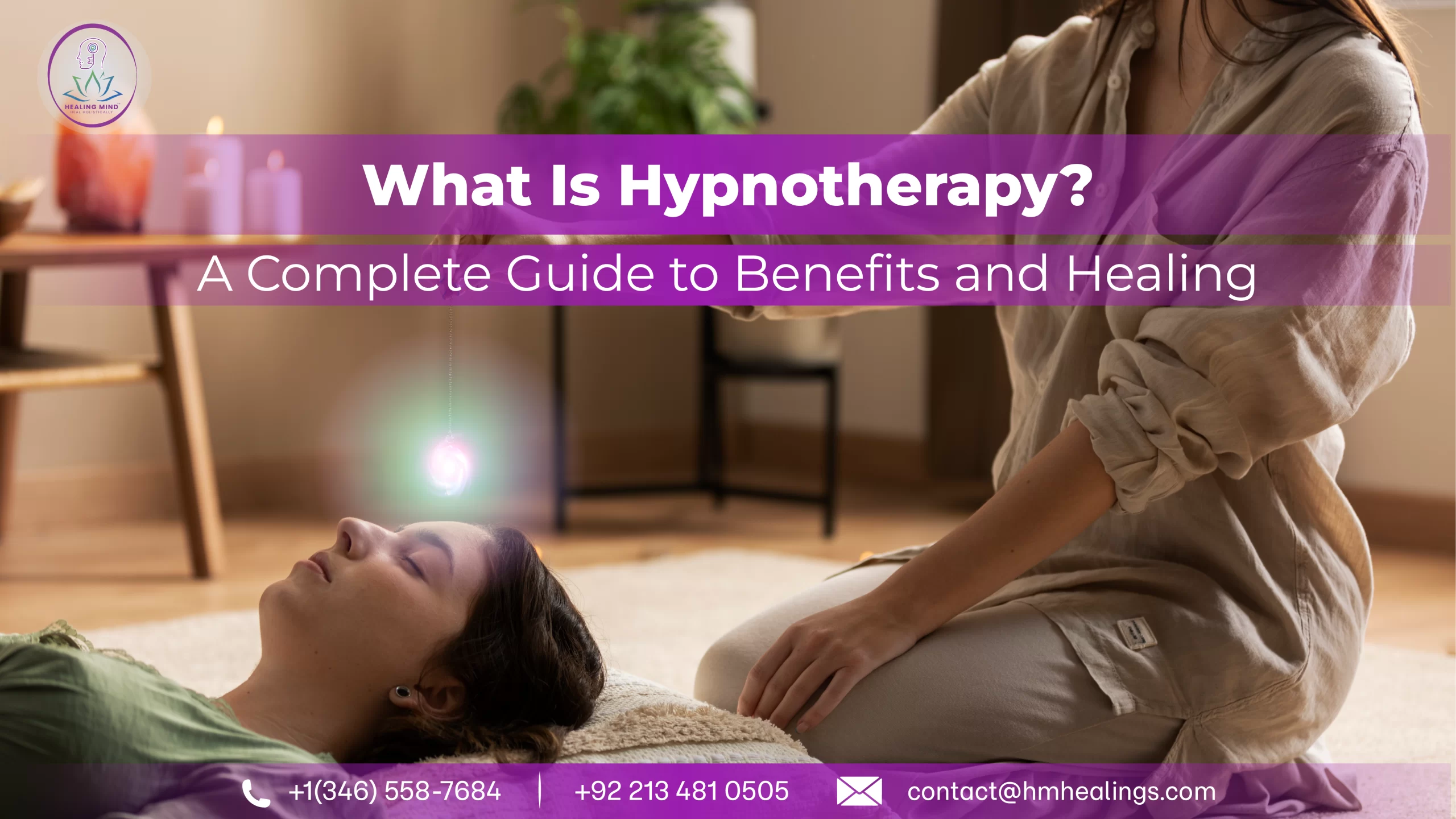
The hypnotist then induces this trance state using verbal repetitions and mental pictures. The therapist is an expert at identifying the subject’s state of mind, which appears to be asleep but is actually hyper-aware of mind.At this point, the therapist makes positive suggestions to get rid of any traumatic scenes and replace them with powerful anti-traumatic scenes.
Benefits of Hypnosis treatment therapy
- The results of such treatment sessions are extraordinary, with a permanent shift in the subject’s thinking and behavior.
- This therapy is significantly more effective than psychotherapy because it just requires three or four sessions, whereas psychotherapy requires twenty.
- In other words, it is the therapy of the subconscious mind, whereas psychotherapy is the therapy of the conscious mind.
- Hypnosis can be a powerful tool for subconscious reprogramming and behavior modification.
- Hypnotherapy can access the subconscious mind to address the root causes of phobias and promote emotional healing.
As studies has shown, our subconscious mind is eighty to ninety percent more powerful and sensitive than our conscious mind, as is its memory storage.
So, when hypnotic communication is used, the subconscious mind responds and understands how to remove the painful memory within its sensitivity limits, resulting in mental, physical, and spiritual recovery.
BOOK FREE DISCOVERY CALL
FAQ's
General Hypnosis Questions
Hypnosis is a state of focused attention and increased suggestibility. It’s similar to daydreaming or being deeply engrossed in a movie. Hypnosis is a natural state that everyone experiences to some degree.
Yes, hypnosis is completely safe. You are always in control and can end a session at any time. It’s a natural state of mind, not a medical procedure.
Most people can be hypnotized to some degree. However, the depth of hypnosis can vary from person to person.
No, you will not lose control. You are always aware of your surroundings and can choose to end the session at any time.
No, hypnosis is not sleep. It’s a state of focused attention and relaxation, while sleep is a state of unconsciousness.
Hypnosis works by accessing the subconscious mind, where many of our beliefs, habits, and emotions are stored. By suggesting positive changes to the subconscious, we can create lasting improvements.
Hypnosis and Therapy
Yes, hypnosis can be a powerful tool for managing anxiety and stress. It can help you relax, reduce tension, and develop coping mechanisms.
Yes, hypnosis can be effective in managing pain by helping you relax and focus on something other than the pain.
Hypnosis can be used as a tool for weight loss by helping you develop healthier eating habits and improve self-esteem.
Yes, hypnosis can be a successful approach to quitting smoking by addressing the psychological and emotional aspects of addiction.
Yes, hypnosis can help overcome phobias by gradually exposing you to the fear-inducing situation in a controlled and relaxed environment.
Practical Considerations
Hypnosis sessions typically last between 30 and 60 minutes.
You can expect to feel relaxed and focused during a hypnosis session. You may experience physical sensations like warmth or heaviness.
The number of sessions required depends on the individual and the issue being addressed.
Most people remember the hypnosis session, although some may not remember every detail.
Yes, it is possible to learn self-hypnosis techniques with practice and guidance.