Anxiety, a common mental health condition, affects millions worldwide. While it’s a normal human emotion, excessive or persistent anxiety can significantly impact daily life. Let’s delve into the intricacies of anxiety, its manifestations, and explore holistic approaches to finding relief.
Understanding Anxiety
Anxiety is a complex emotional state characterized by feelings of apprehension, worry, and unease. It’s a natural response to stress, but when it becomes overwhelming and interferes with daily functioning, it transitions into an anxiety disorder. Scientific research has identified various types of anxiety disorders, including generalized anxiety disorder (GAD), panic disorder, social anxiety disorder, and specific phobias.
The biological basis of anxiety involves the brain’s amygdala, a region responsible for processing fear. When triggered, it activates the body’s stress response, leading to physical symptoms like rapid heartbeat, sweating, and muscle tension. Neurotransmitters, such as serotonin and GABA, also play crucial roles in anxiety regulation.
Common Symptoms of Anxiety
Anxiety manifests in diverse ways, both physically and emotionally. Common symptoms include:
- Physical symptoms: Rapid heartbeat, sweating, trembling, shortness of breath, fatigue, muscle tension, headaches, and gastrointestinal disturbances.
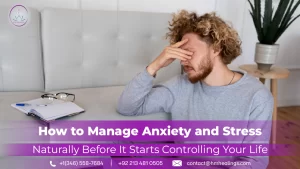
- Emotional symptoms: Excessive worry, restlessness, irritability, difficulty concentrating, feeling on edge, and sleep disturbances.
It’s essential to note that these symptoms can vary in intensity and frequency among individuals.
Holistic Approaches to Healing Anxiety
While medication and therapy are effective treatments, many people seek complementary approaches to manage anxiety. Holistic healing focuses on treating the whole person, addressing physical, emotional, and spiritual well-being. Here are some evidence-based holistic practices:
1. Mindfulness and Meditation
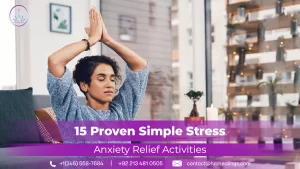
Mindfulness involves being present in the moment without judgment. Meditation techniques, such as deep breathing and guided imagery, can help reduce anxiety symptoms by calming the mind and body. Studies have shown that regular meditation can decrease anxiety levels and improve overall well-being.
2. Physical Exercise
Physical activity is a powerful tool for managing anxiety. Exercise releases endorphins, natural mood elevators, and reduces stress hormones. Engaging in regular aerobic exercise, like running or swimming, can significantly improve anxiety symptoms.
3. Nutrition and Diet
A balanced diet plays a vital role in mental health. Consuming whole foods rich in vitamins, minerals, and antioxidants can support brain function. Limiting processed foods, caffeine, and alcohol, which can exacerbate anxiety, is also beneficial. Some studies suggest that omega-3 fatty acids, found in fatty fish, may help reduce anxiety symptoms.
4. Sufficient Sleep
Sleep deprivation can intensify anxiety symptoms. Prioritizing quality sleep is crucial for overall well-being. Establishing a regular sleep schedule, creating a relaxing bedtime routine, and optimizing sleep environment can contribute to improved sleep quality.
5. Yoga and Tai Chi
These mind-body practices combine physical postures, breathing exercises, and meditation. Yoga and Tai Chi have been shown to reduce anxiety levels by promoting relaxation and stress reduction.
6. Spending Time in Nature
Spending time outdoors has a restorative effect on mental health. Exposure to natural environments can lower cortisol levels, the stress hormone, and promote feelings of calmness and well-being.
7. Building Social Connections
Strong social support is essential for managing anxiety. Connecting with loved ones, participating in social activities, and joining support groups can provide emotional comfort and reduce feelings of isolation.
Anxiety is a complex condition, but with the right approach, it can be effectively managed. While scientific research supports the benefits of holistic practices, it’s important to consult with a healthcare professional for personalized guidance. Combining traditional treatments with complementary approaches can empower individuals to take control of their anxiety and lead fulfilling lives.