Curious what Reiki is and why so many people swear by it? Maybe stress keeps you up most nights. Perhaps your back still aches after every treatment you tried. You searched for answers, and somehow you landed here. Reiki is a gentle energy healing practice used alongside regular medical care.
It won’t replace your doctor, but it can help you relax deeply. Many people turn to it for better sleep and calmer emotions. Next, you’ll see how Reiki actually works, what a real session feels like, and whether science truly backs it. Straightforward answers await, without the usual hype or empty promises.
What Is Reiki? Meaning, Origin and How It Started
What is Reiki, exactly? It’s an ancient Japanese healing method rooted in the universal life force. The word combines two ideas: “Rei” means universal, and “Ki” means life energy. Practitioners believe this energy flows through every living being.
Reiki uses the laying on of hands to guide that flow toward balance. Mikao Usui developed this practice in Japan during the early 1920s. Later, Hawayo Takata introduced it to the Western world. Today, people see it as a form of spiritual healing rooted in a holistic approach. It focuses on healing the mind, body, and spirit together, not separately.
How Does Reiki Work?
A trained Reiki practitioner uses specific hand positions on your body during a session. They place hands gently on or above key areas. Some believe this activates the body’s natural biofield therapy response. Attunement is the process that connects a practitioner to healing energy.
Many link this practice to chakras, the body’s energy centers. Others compare it to acupuncture without needles or pressure points. Reiki works best as complementary therapy alongside regular medical treatment. It won’t replace medication, therapy, or professional healthcare guidance. Instead, it supports your body’s natural ability to heal.
Is Reiki Scientifically Proven?
Does this ancient practice actually hold up under real research? Not entirely, but findings show promising signs. Current evidence-based studies remain limited, and results stay mixed across trials. Some clinical studies link Reiki to lower stress and better mood.
Skeptics argue results come from the placebo effect, not real energy. Hospitals now offer Reiki within integrative medicine programs alongside standard care. Honestly, hard proof of the energy itself still doesn’t exist. Still, many patients report genuine, lasting relief after regular sessions.
Reiki for Pain Relief and Chronic Conditions
Reiki for Pain Relief works best as gentle support, not a cure. People managing chronic pain often use it between medical treatments. Cancer patients sometimes add it during palliative care for extra comfort. It calms the nervous system and naturally eases physical tension.
Benefits practitioners report:
- Reduces chronic pain intensity and muscle tension
- Supports comfort during cancer support and recovery
- Eases stress that worsens physical pain
- Improves sleep quality despite ongoing discomfort
- Complements physical therapy and medication plans
Benefits of Reiki, Stress, Anxiety, Sleep and Emotional Healing
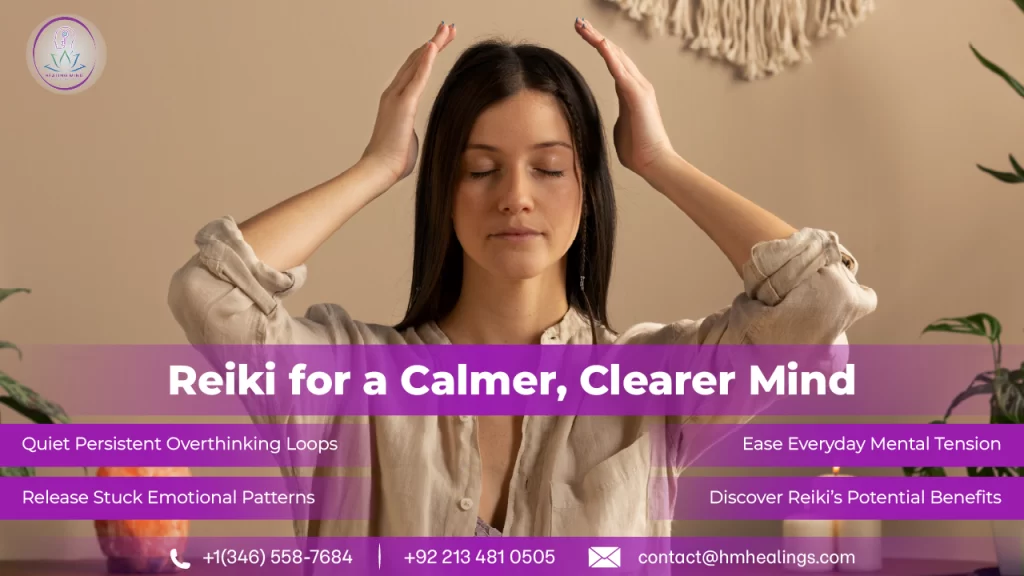
Many people ask, can Reiki help with stress and anxiety in daily life? Yes, gentle energy work often triggers a real relaxation response in the body. Regular sessions may support anxiety relief and calm racing thoughts naturally.
Another common question stands out too: can Reiki help you relax and sleep better at night? Practitioners often notice improved sleep quality after consistent sessions. Beyond physical calm, is Reiki good for emotional healing after tough life events? Many clients report genuine mood improvement and better overall quality of life.
What Happens During a Reiki Session?
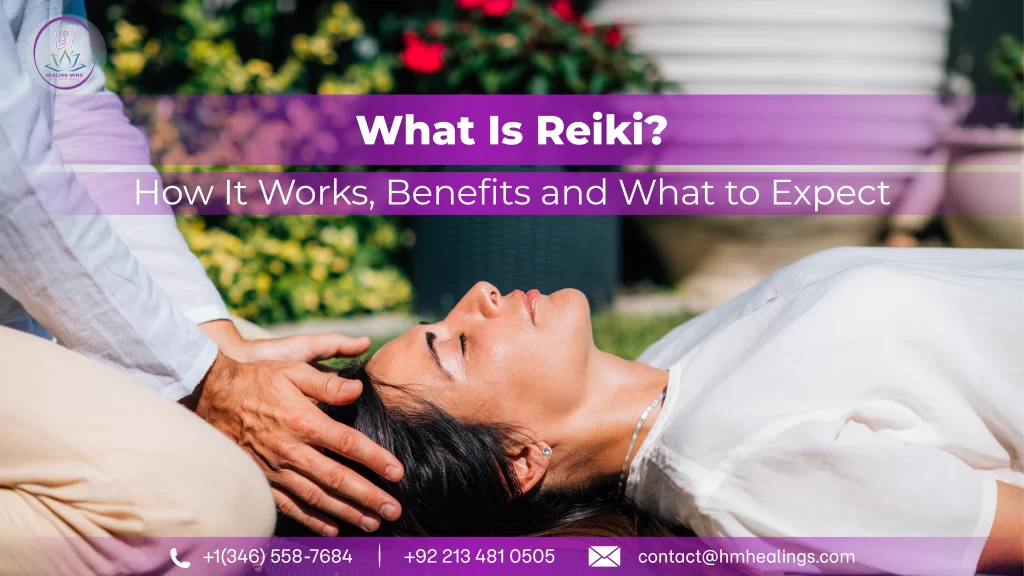
Every Reiki session feels different, yet certain patterns stay consistent for most people. You remain fully clothed while lying comfortably on a table. The practitioner gently places hands near key body points. Some describe a trance-like state, deep calm, and mental clarity. Others notice subtle sensations of warmth or tingling.
What you might experience:
- Deep muscle relaxation within the first few minutes
- Warmth or light tingling under the practitioner’s hands
- Slower breathing and a calmer heart rate
- Emotional release, sometimes unexpected tears or lightness
- A peaceful, almost sleep-like state by session’s end
Ready to Feel the Benefits of Reiki for Yourself?
Stop reading about relaxation and start feeling it. HM Healings certified Reiki practitioners are ready to guide your first session.
Is Reiki Safe? Who Should (and Shouldn't) Rely on It
Safety questions come up naturally once curiosity turns into real interest. Reiki stays gentle, non-invasive, and carries almost no physical risk. Practitioners never apply pressure or manipulate joints during a session. Still, treat this as complementary, not alternative care, never a full replacement.
Serious conditions like cancer, heart disease, or depression need proper medical treatment first. Skipping prescribed care for energy work alone puts your health at risk. Fortunately, most people experience zero negative side effects from regular sessions. Pregnant women, children, and hospital patients often use it safely too.
Talk to your doctor before adding Reiki alongside existing treatment plans. Used the right way, it simply supports the care you are already receiving.
Why Choose HM Healings for Your Reiki Journey
Choosing the right practitioner matters just as much as choosing Reiki itself. HM Healings brings certified expertise across Karachi and Houston locations. Every practitioner completes formal Reiki training, attunement, and ongoing holistic education.
Sessions stay personalized, judgment-free, and built around your specific stress or health goals. Clients value honest guidance over exaggerated promises or unnecessary upselling. Real experience, not marketing hype, shapes every single session offered here.
What sets this practice apart:
- Certified, experienced Reiki practitioners across two countries
- Personalized sessions tailored to stress, sleep, or emotional healing
- Transparent pricing with no hidden costs or upsells
- A holistic mind-body-spirit approach backed by real training
- Trusted by hundreds of clients across Pakistan and the USA
Ready to Start Your Healing Journey with HM Healings?
From Karachi to Houston, our certified practitioners have helped hundreds find calm, balance, and relief. Your first step toward feeling better is just one free call away.
Conclusion
So, what is Reiki, really, once you strip away the mystery? It’s a gentle, complementary energy practice, not a medical cure. Science hasn’t proven the underlying energy field exists just yet. Even so, thousands of people report real calm, comfort, and clarity.
Used alongside your regular healthcare, it may genuinely support your wellbeing. Try it with realistic expectations, and let your own experience guide you. If stress, poor sleep, or emotional heaviness feel familiar, this might help. Your next step is simple: find a certified practitioner you trust.
Frequently Asked Questions
Most Reiki sessions run between 45 and 90 minutes, depending on your practitioner's style, your comfort level, and personal healing goals.
A single Reiki session typically costs between $50 and $150, depending on your location, the practitioner's experience, and total session length.
Most standard health insurance plans don't cover Reiki, though some wellness programs or flexible spending accounts may include partial coverage options.
Most people notice benefits after3 to5 weekly sessions, though results ultimately depend on your specific goals and consistency.
Yes, anyone can learn Reiki through certified training and attunement from a qualified Reiki master, starting with basic Level 1 courses.
No, belief isn't required for Reiki to work, though staying open and relaxed may help you notice its calming effects sooner.